Recovering Women Histories in Edinburgh
With Anna Dowling-Clarke – Women Hidden in Plain Sight (WHIPS)
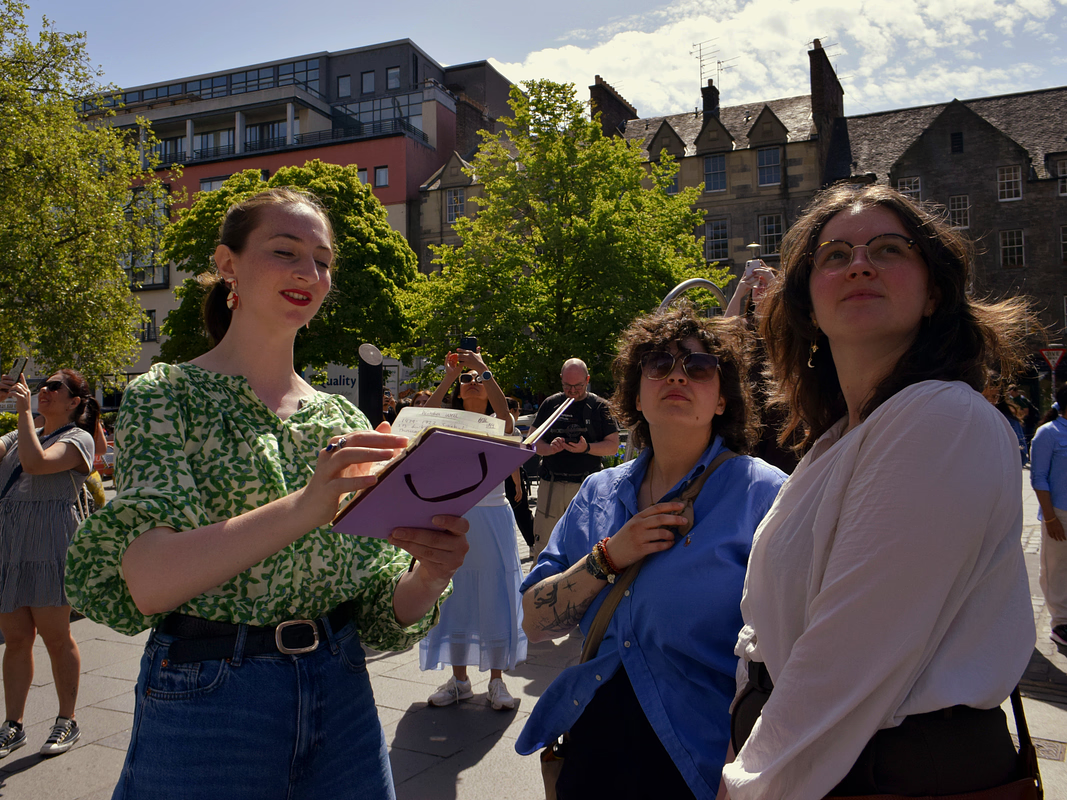
Anna Dowling-Clarke is the founder of WHIPS: Women Hidden in Plain Sight, a platform dedicated to recovering the overlooked histories of women in Edinburgh through self-guided audio tours, in-person walks and public talks. With a background in art history and a particular interest in female patrons of the arts, she re-reads the city's built environment through a feminist lens, tracing the women who funded, built, fought for and inhabited Edinburgh's historic spaces, but whose contributions have been largely absent from the main historical narrative.
Women hidden in plain sight
Hi Anna! Thanks for joining us! The name Women Hidden in Plain Sight is very evocative. When you began researching Edinburgh's history, what struck you most about the way women's stories appear — or disappear — from the city's official narratives?
The name very much encapsulates what I discovered when I began researching women's history in Edinburgh. At first, the stories were not obvious, partly because there are so few visual reminders in the city of the women who shaped it. But once I started looking beneath the surface, it became increasingly clear that women have always been a fundamental part of Edinburgh's fabric. The absence of commemoration reflects a failure in how we have recorded history, not a true indication of what women actually achieved.
The shift for me came when I began deliberately looking for women in spaces where their contributions had been historically overlooked. Once I developed that habit, I found that the stories were everywhere, hidden in plain sight. Sharing them, with both locals and visitors, became something I felt genuinely compelled to do.
Seeing the city anew
Your tours invite people to see familiar streets and monuments from a completely different perspective. How do participants usually react when they realise how many layers of women's history have been overlooked in places they thought they already knew?
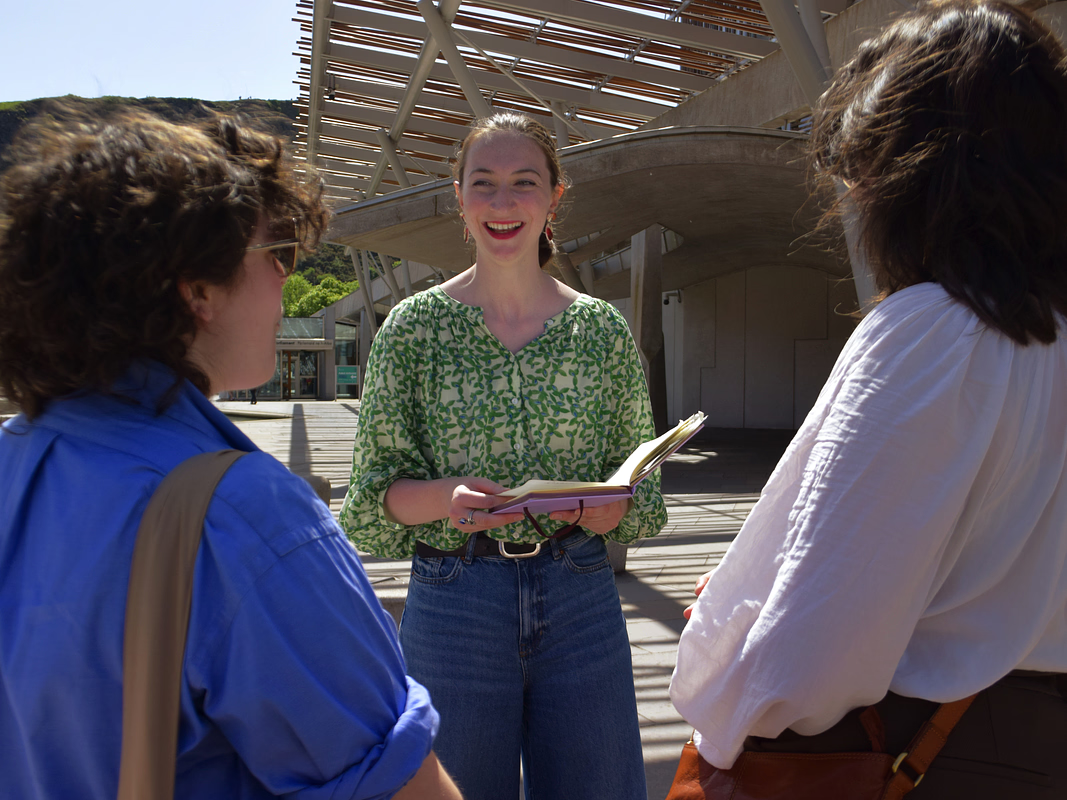
What I have come to realise is that the tour becomes quite an emotional experience for many participants, and a whole spectrum of emotions tends to emerge, from shock and delight to anger and frustration. That range of responses never stops moving me. People arrive thinking they know a city they have walked a hundred times, and then something shifts: a building becomes legible in a different way, a street corner carries a story they never knew was there.
What I love most is hearing participants' own ideas about how we can better talk about and commemorate women's history. Some have reached out after the tour to express a desire to be more involved, which I find deeply encouraging, because this is collective work. The tours are a starting point, not an endpoint.
Working with the local community
Beyond the tours themselves, do you engage with the local community in other ways — for example through schools, cultural organisations, or public events? And how important is that local dimension for achieving your broader mission?
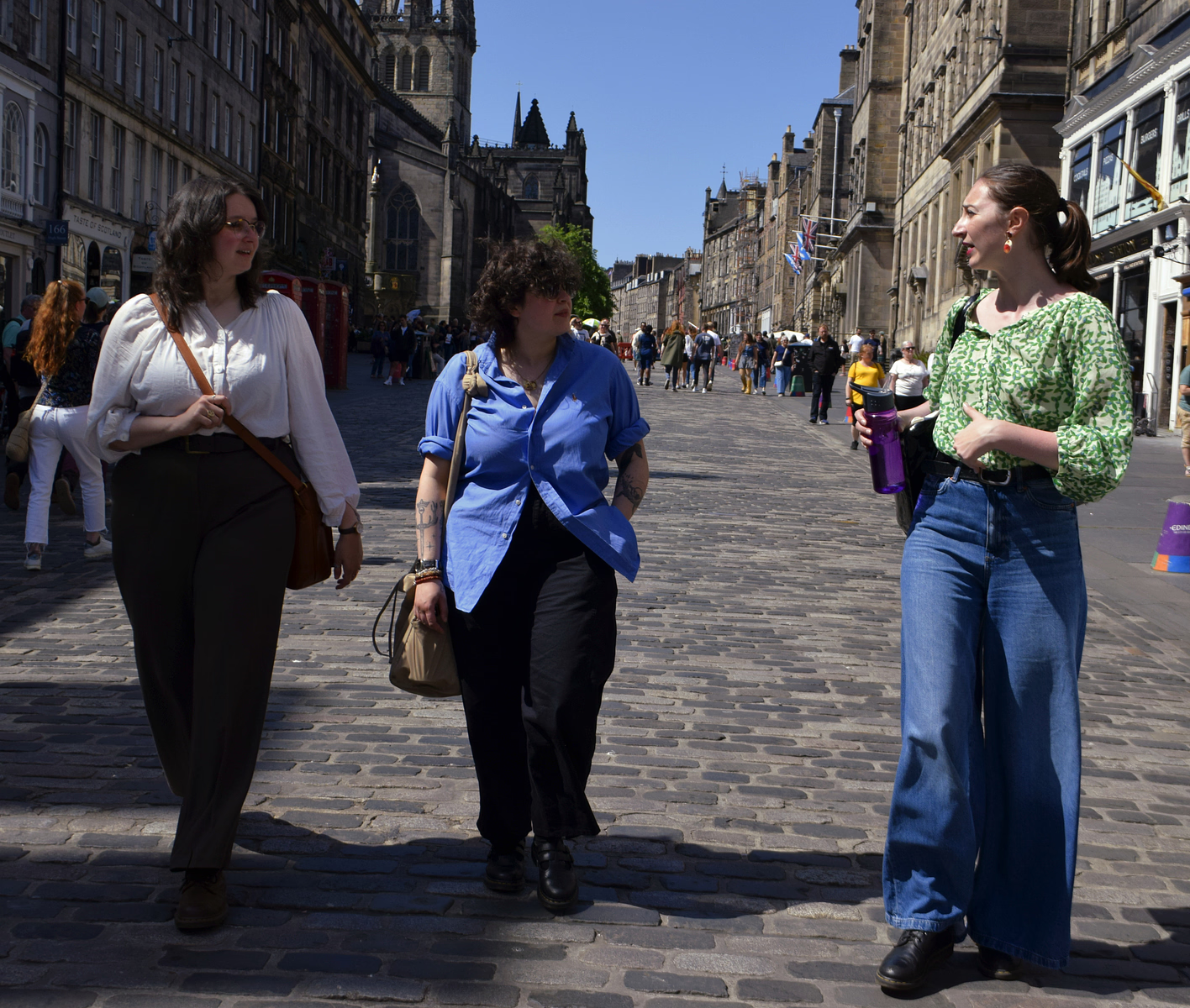
I am always open to collaborating and partnering with other organisations in Edinburgh and beyond. In my initial stages, I partnered with the Stirling charity, Stirling Heritage Alliance, to deliver a talk about the women of Stirling, focusing on everyday women. Earlier this year, I was the official Women's History Month partner with The Cockburn Association, one of Scotland's oldest conservation charities. The partnership included three free in-person walking tours focusing on the women behind the organisation and the women connected to the sites it has championed since its founding. The tours appealed particularly to locals who wanted to engage more deeply with the history of the city and to understand the ways in which it has been shaped and preserved.
Engaging with local communities is central to what I do, because I genuinely believe that through collaboration we can more easily and more effectively connect people with their history. It also enriches my own practice: working alongside different organisations exposes me to new perspectives and helps me think more carefully about the different lenses through which history can be approached.
Advice for reclaiming public history
Across Europe, more and more people are trying to rethink public history through city tours, storytelling projects, and other grassroots initiatives. If you could give one piece of advice to someone — or to a local organisation — who wants to reclaim historical narratives and public spaces in a similar way, what would it be?
Do not be afraid to reach out to other organisations but embrace it. There is so much wonderful work already happening, and every connection you make builds on it. Each organisation has its own goals, its own expertise, its own community, and when those things come together, the impact is far greater than any one of us could achieve alone. The instinct can sometimes be to protect your idea or wait until your project feels fully formed, but in my experience the most valuable conversations have happened early, before anything was fixed. Openness leads to things you could not have planned for.
A European woman artist who inspires her
To conclude, given your background in art history: is there a European woman artist whose story particularly inspires you when it comes to bringing overlooked or erased histories back into the light?
Such a good question and I wish I had space to mention all the overlooked women artists whose histories have been forgotten or deliberately erased, because there are so many of them.
Although my own art history research has increasingly led me to Italy, I keep returning to one of the first women artists whose story inspired me to pursue this work: Camille Claudel. Today her reputation is much stronger than it once was, but for a long time she was remembered primarily as the muse, mistress and creative collaborator of Auguste Rodin, and her own extraordinary voice was almost entirely subsumed by his.
What makes Claudel's story so affecting, and so relevant, is how much of what happened to her was shaped by the structures around her rather than by her talent, which was extraordinary. Her father, Louis-Prosper, was deeply supportive of her work. His death in March 1913 was a devastating blow, and it was just days later that her family, primarily her brother and mother, had her committed to a psychiatric institution, where she would remain for the final thirty years of her life. Her mother never visited her once. The psychiatric frameworks of the time offered little space to distinguish between genuine mental illness and the consequences of poverty, grief, and a society that had consistently refused to accommodate a woman of her ambition.
I always find myself wondering what Claudel might have created had she lived in a world that made room for her. That question is, in many ways, the one that drives everything I do with WHIPS.
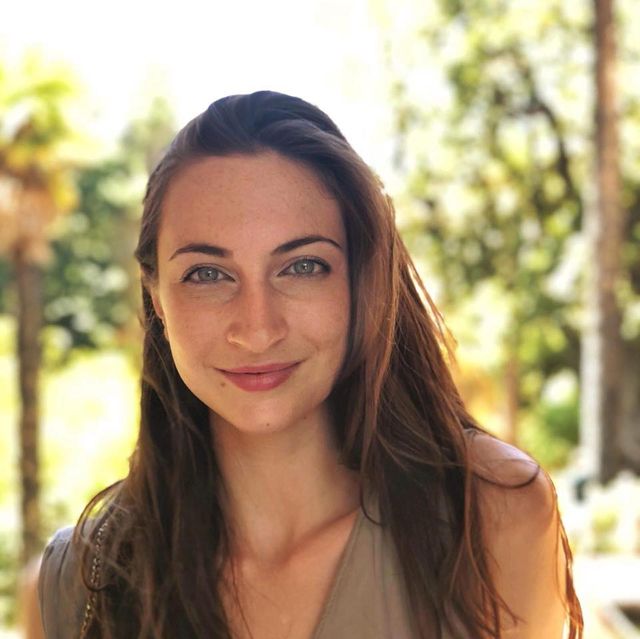
"Once I developed that habit, I found that the stories were everywhere, hidden in plain sight."- Anna Dowling-Clarke
Thank you, Anna - We can't wait to walk Edinburgh's streets through your eyes!